
Your 12V Battery Powered Air Conditioner: Real Runtime in Real Scenarios
You’ve got the van build planned, or maybe you’re outfitting a sailboat cabin, or you just want to sleep cool in a tent without plugging into shore power. The question everyone asks is the same: how long will a 12V battery powered air conditioner actually run on my battery bank?
Not “in theory.” Not “under ideal lab conditions.” How long in YOUR setup, in YOUR scenario, on a hot Tuesday night in July when you’re parked at a trailhead with no hookups?
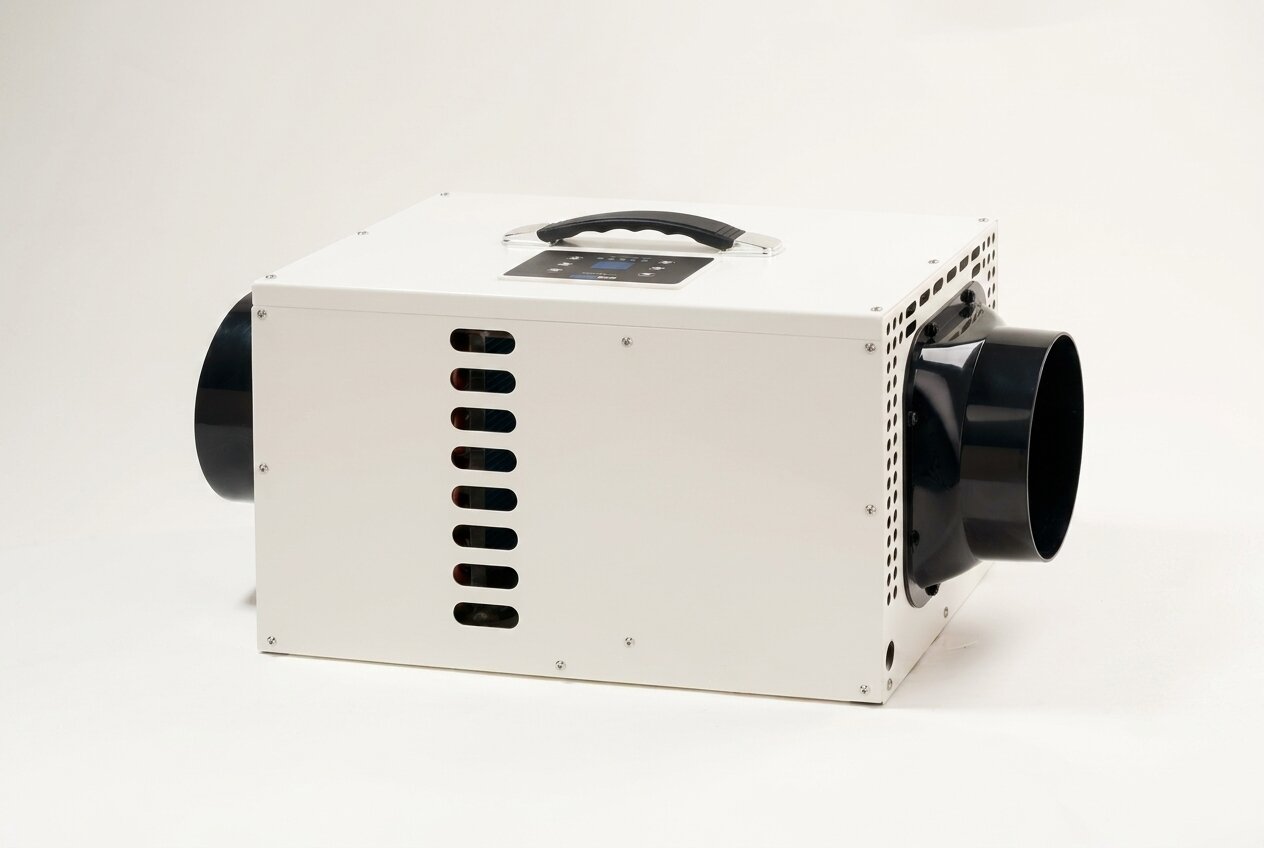
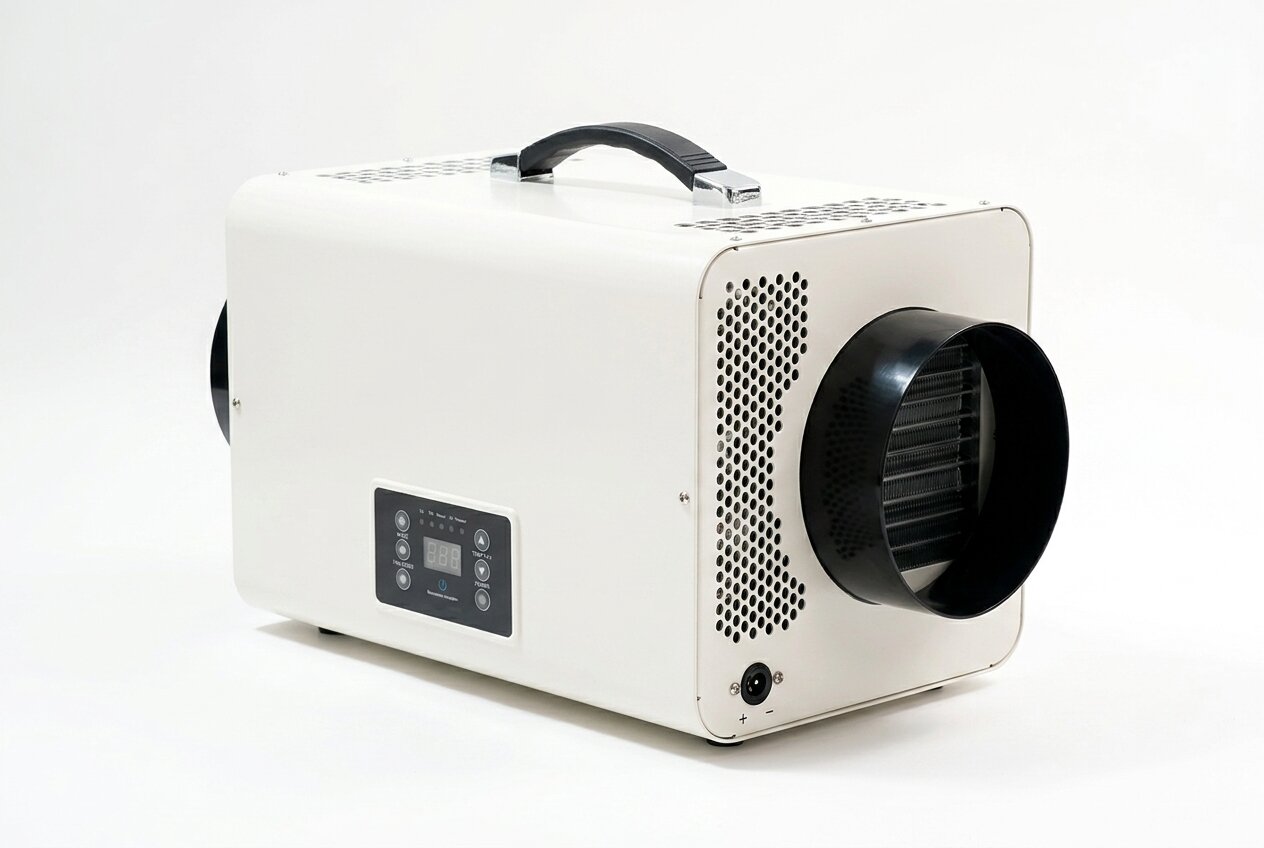
I’m going to break this down for three common scenarios — a camper van, a camping tent, and a small boat cabin — using a real 12V DC air conditioner (the RIGID DV1910E-AC, which delivers 450W of cooling capacity) and common battery sizes people actually use. No fluff, just numbers you can plan around.
Quick Primer: How Runtime Actually Works
Before we dive into scenarios, let’s get the basics straight so you can sanity-check my numbers (or calculate your own).
Runtime depends on three things:
- Your battery’s usable capacity (in amp-hours at 12V)
- How much current the AC draws (in amps)
- How hard the compressor needs to work (which depends on heat load)
A unit like the RIGID DV1910E-AC draws approximately 8-16A depending on compressor speed and cooling load. That’s a wide range because it uses a variable-speed BLDC compressor — it doesn’t just slam on at full blast and stay there. When the space is nearly at your set temperature, it throttles down and sips power. When it’s fighting a 40°C afternoon, it runs closer to max.
This variable draw is why blanket statements like “you’ll get 10 hours” are mostly useless. Your runtime depends heavily on conditions.
The Battery Math (Simplified)
Here’s the rough formula:
Runtime (hours) = Usable battery capacity (Ah) ÷ Average current draw (A)
For lithium (LiFePO4) batteries, you can typically use 80-90% of rated capacity. For AGM lead-acid, plan on 50% depth of discharge to preserve battery life.
So a 100Ah lithium battery gives you roughly 80-90 usable amp-hours. A 100Ah AGM gives you about 50 usable amp-hours. Big difference.
These are estimates — actual capacity depends on cell age, temperature, and discharge rate. Treat them as planning numbers, not guarantees.
Now let’s put this into real scenarios.
Scenario 1: The Camper Van (Sprinter/Transit Build)
The Setup
- Vehicle: Sprinter or Transit van, insulated with 1″ foam board on walls and ceiling
- Battery: 200Ah lithium (LiFePO4) — a common choice for van builds
- Location: Desert Southwest, parked in partial shade
- Conditions: 38°C (100°F) outside, target 26°C (79°F) inside
- Time: Evening, sun going down but still hot
What Happens
A Sprinter van interior is roughly 10-12 cubic meters. With decent insulation, the heat infiltration rate is moderate. The AC will run at medium-to-high speed initially (estimated 12-14A draw) to pull the temperature down, then back off as it approaches your set point.
Once the cabin reaches target temp (usually 20-40 minutes depending on starting conditions), the compressor throttles down. Evening helps because ambient temp drops. Realistic average draw over a full night: approximately 9-12A based on typical user reports for this class of unit.
Estimated Runtime
With a 200Ah lithium bank (160-180Ah usable):
- High heat load (first hour, daytime): roughly 12-14A average draw
- Overnight (maintained temp): roughly 8-10A average draw
- Total runtime estimate: 12-18 hours depending on how hot it is and how well you’ve insulated
That’s a full night of sleep plus some morning comfort, easily. If you’ve got 200W of solar on the roof feeding the batteries during daylight, you extend that considerably.
Van Life Reality Check
The insulation matters enormously here. A bare metal van with no insulation might see 30-40% shorter runtimes because the AC is fighting harder. If you’re still in the build phase, invest in insulation before upgrading your battery bank — you’ll get more runtime per dollar spent.
Also worth noting: if you’re in a really extreme environment (Death Valley at 45°C+), no 450W cooling unit is going to keep your van at 20°C. You’ll get a meaningful temperature drop — maybe 10-15 degrees below ambient — but there are physics limits. This unit works great for comfortable sleeping temps in typical hot climates, not for creating a walk-in freezer.
One more thing that trips people up: these runtime estimates assume the AC is your only major 12V load. If you’re also running a fridge, fans, lights, and charging phones, budget an extra 3-5A for those loads. It chips away at your available runtime.
Scenario 2: The Camping Tent
The Setup
- Shelter: 4-person tent with partial rainfly (some ventilation)
- Battery: 100Ah lithium — portable, manageable weight for car camping
- Location: Midwest campground, summer
- Conditions: 32°C (90°F) outside, target 24°C (75°F) inside
- Time: Bedtime to morning (8 hours desired)
What Happens
Tents are terrible insulators. Thin nylon walls mean heat pours in from every direction, and whatever cool air you create leaks out constantly. This is the hardest scenario for any portable AC.
The compressor will run at higher speed more of the time because it’s constantly fighting heat infiltration. You’ll notice it cycles more aggressively. Realistic average draw: approximately 11-15A for most of the evening.
However — and this is the key insight — tents cool down fast at night when ambient temps drop. Once the outside air falls to 25°C after sunset, your AC barely has to work. If you’re camping somewhere with decent nighttime temperature drops (desert, mountains), the second half of the night draws much less power.
Estimated Runtime
With a 100Ah lithium bank (80-90Ah usable):
- Early evening (still hot outside): approximately 13-15A draw, higher cycling
- Late night (ambient cooling): approximately 8-10A as compressor throttles back
- Total runtime estimate: 6-9 hours
That’s enough for a night’s sleep in most conditions. If you’re in a place where it stays 35°C+ all night (humid Gulf Coast, for example), expect the lower end of that range. Dry climates with big nighttime drops give you the longer runtimes.
Tent Camping Reality Check
A few tips that dramatically affect your runtime:
- Point the condenser exhaust OUTSIDE the tent (obvious but people miss this)
- A reflective tarp over the tent reduces solar heat gain during the day, so your tent starts cooler at bedtime
- Close unnecessary vents — you want the tent reasonably sealed so cool air stays in
- If it’s humid AND hot (Southeast US in August), you’re pushing the limits of what 450W cooling can handle in a tent with zero insulation
This is probably the scenario where expectations vs. reality clash the most. The AC works, it makes a meaningful difference, but a tent will never feel like an air-conditioned hotel room. Set your thermostat to a realistic target — 26°C in a tent on a hot night feels wonderful, even if 22°C isn’t achievable.
Also consider the weight factor: the DV1910E-AC is about 11 lbs (5kg), which is fine for car camping where you’re parked next to your site. If you’re hauling gear a quarter mile from the parking lot, factor that into your decision. This isn’t backpacking gear — it’s car camping comfort.
Scenario 3: The Small Boat Cabin
The Setup
- Vessel: 28-foot sailboat, enclosed cabin (V-berth or main salon)
- Battery: 300Ah lithium house bank (common for cruising sailboats)
- Location: Anchored in a Caribbean bay
- Conditions: 33°C (91°F) outside, high humidity, target 26°C (79°F) inside
- Time: Overnight at anchor, no shore power, no genset
What Happens
Boats are interesting because they have decent natural insulation (fiberglass hulls) but terrible ventilation when closed up, and water keeps the ambient temperature from dropping much at night. The hull below the waterline actually helps — seawater is often cooler than air temp, which reduces heat gain through the bottom.
The cabin volume on a 28-footer is small (maybe 6-8 cubic meters for the sleeping area), which works in your favor. Less air to cool means faster pulldown and lower sustained draw.
湿度是最大的挑战。在热带锚地,空调需要同时承担制冷和除湿的双重任务。这意味着它的运行负荷会比单纯根据温度判断的要高一些。预计压缩机的平均转速会比同等干燥气候条件下的转速略高。
实际平均吸水量:热带条件下一夜大约 10-13A。
预计运行时间
使用 300Ah 锂电池组(可用容量 240-270Ah):
- 初始拉低电流:前 30-45 分钟约为 14-16A
- 夜间持续降雨量:平均约为 10-12 伏
- 总运行时间预计:18-25+ 小时
这足以支撑一整夜的用电,而且很可能也足够在炎热的午后停泊时使用。大多数配备这种电池系统的游艇还配备300-400瓦的太阳能电池板,可以抵消相当一部分白天的用电量。
船舱实际情况核查
450瓦的制冷能力足以满足睡眠舱的需求。但它并不适合为整个40英尺双体船的沙龙(带有大窗户,阳光直射)制冷——这需要更大的船用空调系统。您可以把它看作是为睡眠区、导航台或小型驾驶室等舱室量身定制的制冷解决方案。
在船上安装时,还需要考虑冷凝水的排放以及如何固定设备以防止其移动。DV1910E-AC 重约 5 公斤(11 磅),安装简便,但您需要采取适当的隔振措施并配备专用排水管。盐雾和海洋环境对任何设备都是一种考验——因此,请计划定期检查电气连接和线圈表面。
并排比较
以下是这三种情况结合起来的样子:
| 设想 | 电池 | 状况 | 预计运行时间 |
|---|---|---|---|
| 露营车(隔热型) | 200Ah Li | 室外温度38摄氏度,傍晚开始 | 12-18小时 |
| 露营帐篷 | 100Ah锂 | 室外温度32摄氏度,过夜 | 6-9小时 |
| 小型船舱 | 300Ah锂 | 33°C + 湿度,过夜 | 18-25+ 小时 |
注意其中的规律:隔热性能和电池容量是两个最重要的变量。厢式货车和船只的性能更好,不仅是因为它们配备了更大的电池,还因为它们的封闭空间比帐篷更能有效地保持冷空气。
这些估算基于条件一致且电池状态良好并充满电的假设。实际性能会因电池使用年限、夜间环境温度变化以及是否同时运行其他负载而有所不同。
铅酸电池怎么样?
如果您使用的是AGM电池或富液式铅酸电池而不是锂电池,请将运行时间预估值大致减半。这是因为为了保持电池健康,铅酸电池的放电深度应控制在50%左右,而锂电池通常可以承受80-90%的放电深度,而不会对循环寿命产生显著影响。
一块200Ah的AGM电池组提供的可用容量与一块100Ah的锂电池组大致相同。据此做好规划,或者预留预算升级到锂电池——几年正常使用下来,锂电池在可用容量和循环寿命方面的优势足以弥补升级成本。
如果您已经拥有铅酸电池组,并且想在决定升级到锂电池之前先试水,可以尝试在现有电池上运行空调,看看实际的冷却时间有多长。这个实际数据可以帮助您判断升级到锂电池是否符合您的使用习惯,从而判断在经济上是否划算。
太阳能:运行时间倍增器
太阳能电池板并不能完全取代蓄电池,但它们可以显著延长白天的续航时间。以下是太阳能发电量大致的估算值(这些是在阳光充足的情况下估算的——实际发电量会因纬度、电池板角度、遮挡和天气等因素而有所不同):
- 200瓦太阳能电池板阵列:在阳光充足的情况下,每天大约可产生40-60安时的电量。
- 400W太阳能电池板阵列:每天大约发电80-120Ah
如果你的空调平均耗电10安培,而太阳能板在日照高峰期能产生5安培的电流,那么白天电池的净耗电量就能有效减少一半。这就是为什么房车旅行者和游艇爱好者会将空调与太阳能板搭配使用——这样一来,即使多日离网旅行,无需启动发电机,系统也能持续供电。
需要注意的是:太阳能仅在白天有效。如果您的主要制冷需求在夜间(通常情况下确实如此),太阳能会在白天为电池充电,确保您每晚都能满电启动。请将太阳能视为次日的电力补充,而不是夜间制冷的实时补偿。
当这台空调不是合适的解决方案时
坦诚面对自身局限有助于你做出明智的决定:
- 大空间:如果您的空间大于约 15 立方米(例如大型货车或小型小屋),450 瓦的制冷能力可能难以在极端高温下维持舒适的温度。请考虑使用功率更大的空调或加装循环风扇。
- 极端高温且缺乏隔热措施:在环境温度超过 45°C 且隔热效果差的情况下,虽然室内温度会下降,但可能达不到舒适的睡眠温度。请据此调整预期。
- 小型电池组:如果你的电池容量只有 50Ah,根据使用情况,续航时间可能只有 3-5 小时。这对于午睡来说足够了,但不足以支撑一整晚的制冷。
- 极端条件下可24小时不间断运行:这是一款直流便携式空调,并非家用分体式空调。它专为小空间的局部制冷而设计,不适用于整栋建筑。
- 背包旅行或对重量要求较高的应用:这款产品重达 11 磅(约 5 公斤),加上电池重量,更适合自驾露营或车载使用。它并不适合放在背包里携带。
底线
像RIGID DV1910E-AC这样的12V电池供电空调确实可以用于离网制冷——但实际体验很大程度上取决于您的具体配置。以下三个因素最为重要:
- 电池容量——越大越好,锂电池在相同额定容量下,可用安时数几乎是铅酸电池的两倍。
- 隔热性能——在相同的能量输入下,隔热性能良好的厢式货车比帐篷的隔热性能要好得多。
- 环境条件——干燥炎热、夜间气温下降的环境比整夜高温潮湿的热带环境对系统更友好。
对于大多数拥有容量不错的锂电池组(200Ah以上)的房车露营者来说,夜间制冷绰绰有余。对于帐篷露营者来说,100Ah的锂电池虽然略显紧张,但也能勉强应付——根据实际情况,预计续航时间为6-9小时。对于拥有完善船用电池组的船主来说,这无疑是抛锚停泊时为船舱降温的便捷方案。
如果您想了解 DV1910E-AC 或其他 12V/24V/48V 配置的具体细节,请查看RIGID 微型直流空调系列——他们有 450W 以上的变速型号,涵盖从帐篷到中型小屋的各种用途。
测量空间,了解电池容量,并设定合理的预期。这样才能打造出一套真正能在炎热的夜晚,在没有外接电源的情况下,满足你需求的系统。