
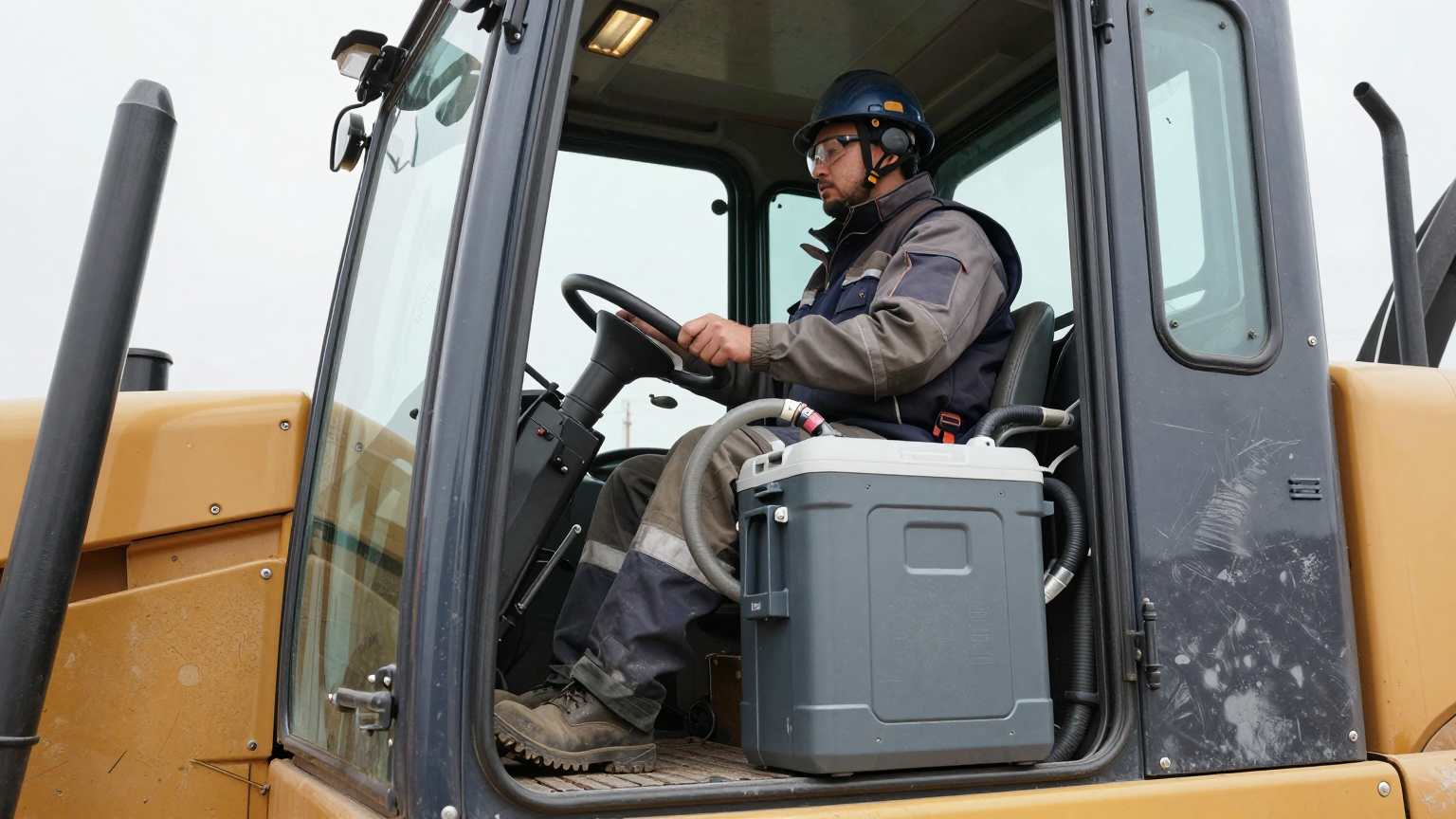
Field Snapshot: The air temperature inside the cabin is already high, but for the heavy equipment operator, enclosed in multiple layers of mandatory personal protective equipment (PPE), the conditions are extreme. The only available power source is the vehicle’s own DC system, which experiences voltage fluctuations during engine start-up and high-load operations. The challenge isn’t just mitigating heat stress; it’s integrating a reliable cooling solution into a work environment with significant power, space, and ergonomic constraints. Selecting the wrong system doesn’t just lead to wasted budget—it can result in failed adoption, decreased productivity, and continued safety risks.
This scenario is common across industries from specialized transport to heavy industry and defense. The process of selecting a personal cooling system is fundamentally an exercise in systems integration. Focusing only on a single performance metric on a datasheet, without considering the full operational context, is a frequent cause of field failure. This guide provides a consultant-style framework for safety managers, operations leads, and technical buyers to navigate the critical decision gates for sizing and deploying a personal cooling solution that aligns with real-world constraints.
Key Sizing Criteria for PPE heat stress cooling 12V Systems
When evaluating options for PPE heat stress cooling 12V applications, the analysis must extend beyond the cooling unit itself. A successful deployment depends on a holistic assessment of three interconnected pillars: the power supply environment, the wearer’s tasks and ergonomics, and the long-term logistical footprint. Getting one of these pillars wrong can compromise the entire solution. For instance, a powerful cooling unit that constantly trips a vehicle’s circuit breaker or a lightweight vest that restricts critical movement will both result in the system being abandoned by users. The goal is to find a sustainable equilibrium where the technology seamlessly integrates into the existing workflow.
Analyzing the Power Supply Environment
The electrical system is often the most rigid constraint in mobile applications. Before evaluating any cooling hardware, a thorough audit of the host platform’s power environment is a critical first step.
Voltage Compatibility and Stability
Vehicle and portable power systems are dynamic. A system specified for a nominal voltage must be able to handle the realities of that environment. Key questions to ask include:
- Input Voltage Range: Does the cooling unit support the specific nominal voltage of the fleet (e.g., 12V DC, 24V DC)? For mixed fleets, a system with a wider input voltage range can simplify procurement and logistics, reducing the number of SKUs to manage.
- Transient Tolerance: How does the system behave during voltage sags (like an engine crank) or surges? A well-designed unit will have internal power conditioning to ride through these events without shutting down or sustaining damage. A system that is too sensitive will lead to frustrating, intermittent operation that users will not trust.
- Low-Voltage Disconnect (LVD): Does the system have an intelligent LVD circuit? This is crucial for protecting the primary platform’s battery. The LVD should prevent the cooling unit from draining the battery to a point where it cannot start the engine or power critical systems.
Power Budget and Draw
Every watt consumed by an auxiliary system is a watt unavailable for other functions. It’s essential to understand the cooling system’s power draw in the context of the platform’s total power budget. A system that seems powerful on paper may be a non-starter if it overloads the alternator or requires costly electrical system upgrades. Consider the system’s power consumption at various cooling levels, not just its maximum rating. In many cases, operators will use a medium setting, and this steady-state power draw is a more realistic figure for calculating impact on the vehicle’s electrical endurance.
Connectors and Cabling
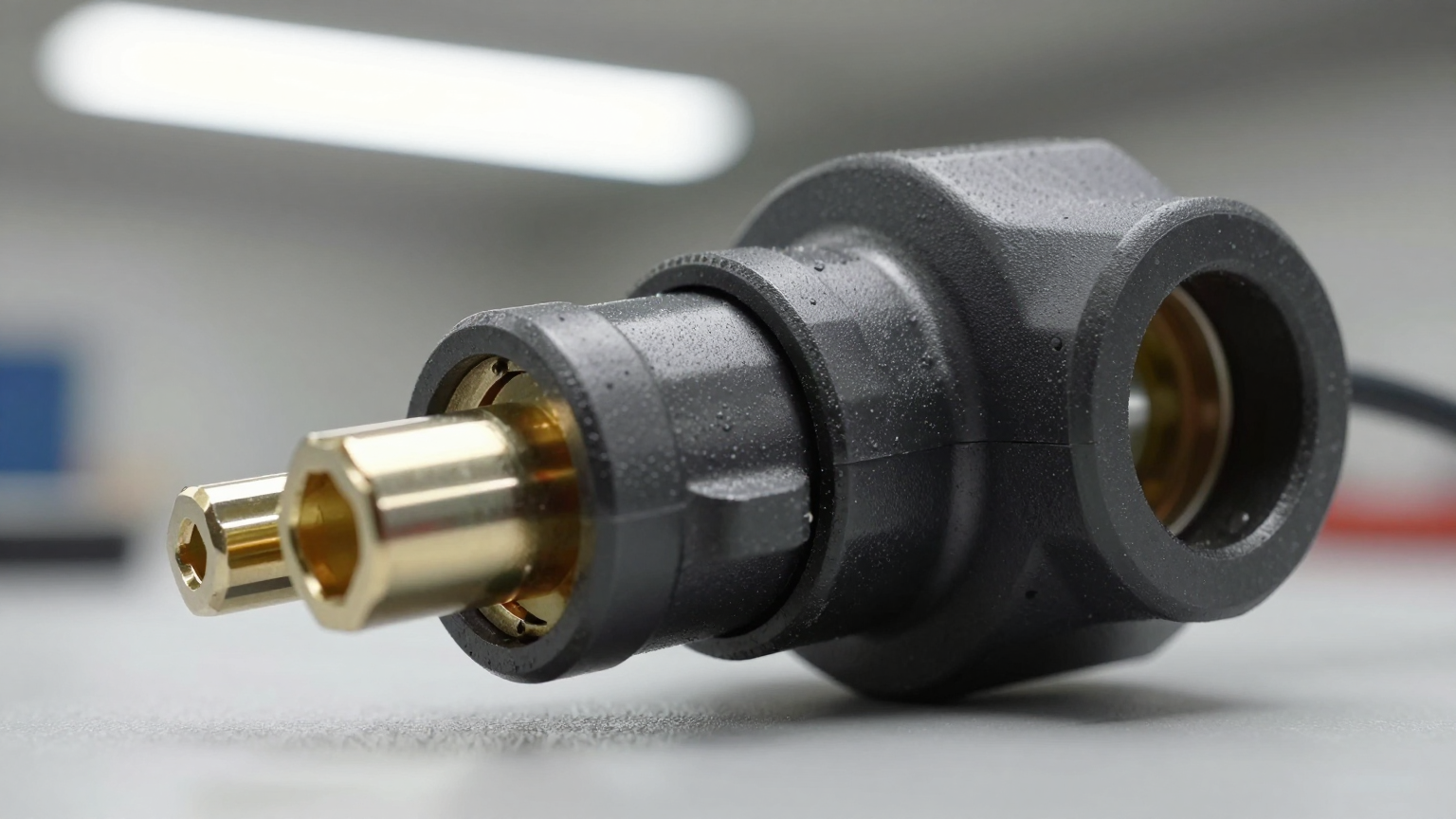
Often overlooked during initial selection, connectors and cables are a frequent point of failure in the field. Connectors should be robust, vibration-resistant, and ideally keyed to prevent incorrect polarity. The cabling must be properly gauged for the current draw and sheathed to resist abrasion and chemical exposure common in industrial environments. Cable length and routing are also ergonomic factors; it must be long enough to allow free movement but not so long that it becomes a snag hazard.

Wearability and Human Factors Integration
A cooling system is only effective if it is worn correctly and consistently. If the wearable component is uncomfortable, heavy, or interferes with work, user adoption will be low, regardless of its thermal performance.
Weight, Bulk, and Ergonomics
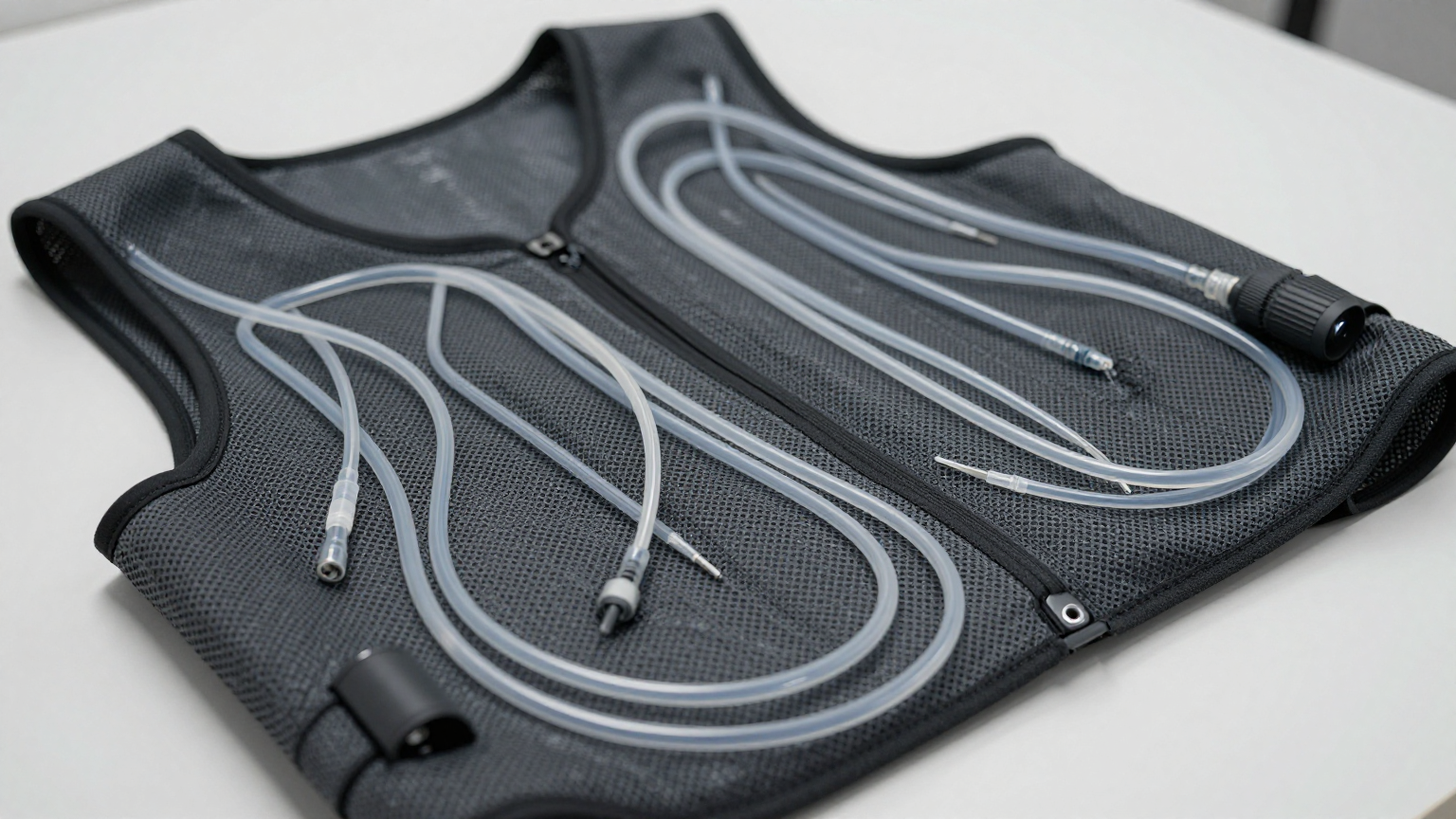
The physical burden of the system is a primary concern. A heavy or poorly balanced cooling unit can introduce new fatigue and musculoskeletal strain, trading one safety risk for another. The wearable garment, typically a vest with embedded tubing, must integrate cleanly with existing PPE. A pre-purchase fit test is highly recommended. Key evaluation points during this test should include:
- Compatibility with PPE: Does the vest fit smoothly under body armor, fire-retardant suits, or other required gear without bunching or creating pressure points?
- Range of Motion: Can the wearer perform all essential job tasks without restriction? This includes climbing ladders, entering tight spaces, and operating controls.
- Donning and Doffing: Can a user put on and take off the system quickly and without assistance? A complicated procedure adds time to gearing up and can be a barrier to use.
- Hose and Cable Management: How are the fluid hoses and any power cables routed from the cooling unit to the vest? They must be managed to prevent snagging on equipment or interfering with the user’s movements.
Adjustability and Thermal Control
Sizing for thermal load is not about applying maximum cooling at all times. Overcooling can cause vasoconstriction, shivering, and severe discomfort, which is distracting and unsafe. An effective system must provide the user with the ability to adjust the level of cooling. This allows individuals to adapt to changing metabolic workloads and ambient conditions. A simple, tactile control interface that can be operated while wearing gloves is a significant usability feature.
Operational and Logistical Constraints
A system’s viability is also determined by its long-term support requirements. A solution that is difficult to maintain or requires complex logistics will eventually fall out of service.
Maintenance and Serviceability
Before procurement, request the manufacturer’s recommended maintenance schedule. A typical liquid-based system will require periodic flushing of the coolant loop to prevent biological growth and sediment buildup. The vest itself will need to be laundered. How easy are these procedures? Are any special tools or chemicals required? Components like pumps and fans have a finite service life; understanding how to access and replace them is important for assessing the total cost of ownership.
Durability and Environmental Resistance
The cooling unit itself must be built to withstand the target environment. Look for indicators of robust construction, such as a sturdy casing, protected switches, and sealed compartments for electronics. Ingress Protection (IP) ratings can provide a baseline for resistance to dust and moisture, which are common in many industrial and field settings. Vibration is another key stressor in vehicle-mounted applications, so secure mounting points and internal component bracing are important design features.
Common Failure Modes in Field Deployments
Understanding why systems fail in the real world provides a valuable lens for selection. Most failures fall into three categories: power issues, fluid dynamics, or user rejection.
| Symptom | Common Checks | Likely Interpretation |
|---|---|---|
| System shuts down intermittently | Vehicle battery voltage during engine crank; integrity of power socket and plug; signs of cable damage. | The unit’s LVD is likely being triggered by voltage sag from the host vehicle. This points to an issue with the vehicle’s electrical system or an overly sensitive LVD setting. |
| Pump runs, but vest is not cold | Check for visible kinks in the fluid lines; verify coolant level in the reservoir; listen for unusual pump noises. | This is very often a fluid flow obstruction. A kinked tube is the most common culprit. Low coolant can also cause the pump to lose its prime and fail to circulate effectively. |
| Systems are available but unused | Interview operators about comfort, setup time, and interference with tasks. Conduct a fit-test with actual PPE. | This is a human factors failure. The system, while technically functional, does not fit the workflow. It may be too heavy, restrict movement, or take too long to set up. |
FAQ for Sizing Personal Cooling Systems
What’s more important: maximum cooling power or power efficiency?
This depends entirely on the deployment platform. For a user connected to a vehicle with a robust alternator, a higher cooling capacity might be prioritized. For a user relying on a portable battery pack, power efficiency is the dominant factor, as it directly translates to operational runtime.
How should we conduct a field trial for a new system?
A trial should involve representative users performing their actual job functions for a full shift. The goal is to collect both objective data (e.g., battery life, if applicable) and subjective feedback on comfort, mobility, and perceived thermal relief. A short demonstration in a controlled environment is not a substitute for a real-world operational trial.
Can these systems operate continuously for an entire 8- or 12-hour shift?
From a hardware perspective, systems designed for vehicle integration are typically built for continuous duty cycles, provided the host platform can supply consistent power. The limiting factor is often the human element; users may only need cooling during periods of high exertion or peak ambient temperatures.
What does a typical maintenance routine involve?
For a liquid cooling system, it generally includes a periodic flush of the coolant (often just distilled water with a biocide additive), laundering the vest according to manufacturer instructions, and visually inspecting all hoses and connectors for wear, cracks, or leaks.
How do high-humidity environments affect performance?
A direct liquid-to-skin cooling vest is less affected by ambient humidity than evaporative or air-based cooling methods. The primary heat exchange occurs at the cooling unit’s radiator. Very high ambient temperature and humidity will reduce the radiator’s efficiency, meaning the system has to work harder, but the direct conductive cooling on the user’s skin remains effective.
Are there systems compatible with both 12V and 24V DC power?
Yes, many systems intended for vehicle and fleet use are designed with wide-range DC-DC converters to accept power from various sources without modification. This is a key feature for simplifying logistics in organizations with mixed fleets.
How critical is the fit of the cooling vest?
It is extremely critical. The principle of operation is conductive heat transfer. For the system to work efficiently, the tubing in the vest must make firm, consistent contact with the user’s skin or base-layer clothing. A loose-fitting vest will have large air gaps, which act as insulators and dramatically reduce the system’s effectiveness.
 Field conditions present unique challenges. If your platform’s power budget, PPE integration, or operational constraints differ from the scenarios discussed, our team can help review the integration path and align on a suitable configuration. The goal is to match the system to the reality of the work.
Ultimately, sizing a personal cooling system is a process of matching a technology to a complex human and mechanical environment. By moving beyond a single spec and analyzing the constraints of power, wearability, and logistics, organizations can deploy solutions that are not only effective but are also adopted and trusted by the personnel they are designed to protect. A well-sized system becomes a seamless part of the safety workflow. For engineers and safety managers evaluating options, a detailed review of components like the AlphaCooler personal cooling system can provide a baseline for these integration questions.