
Quick Disconnect Reconnection Starts With the Pressure State
Quick disconnect reconnection can become difficult when a disconnected coolant section retains pressure behind a shutoff valve. That is one possible cause, alongside mismatched parts, contamination, damage, or ice around the mechanism. Stopping the chiller does not prove both coupling halves are depressurized. Identify the coupling and follow its manufacturer’s pressure-release and connection procedure before trying again.
This guide addresses a laboratory coolant connection that previously separated but will not reconnect normally. It does not provide a method for forcing valves open, loosening a fitting to bleed pressure, or converting an ordinary coupling into a connect-under-pressure device. The useful outcome is a documented route from the observed obstruction to an approved reconnection.
Separate Residual Pressure From Other Obstructions
Observe where normal engagement stops, but do not keep increasing force to identify the cause. A connector that will not start engaging, a sleeve that cannot move normally, and a pair that partially engages without latching are different observations. Describe them to the supplier without assuming which internal component has failed.
| Observation or history | Question to investigate | Evidence needed |
|---|---|---|
| Previously connected pair becomes difficult after isolation or storage | Residual pressure in one or both sections | Isolation sequence and approved pressure-state verification |
| New replacement half will not engage | Series, size, keying, or mating compatibility | Exact part identification and approved mating information |
| Visible ice or a mechanism affected after cold operation | External icing and permitted recovery procedure | Inspection after the approved temperature and pressure conditions are established |
| Debris, damaged surfaces, or irregular latch movement | Contamination or mechanical damage | Manufacturer’s cleaning, inspection, or replacement decision |
The table routes the inspection; it does not authorize a trial connection under unknown pressure. More than one issue can be present. A damaged or mismatched pair does not become suitable merely because a trapped section is depressurized.
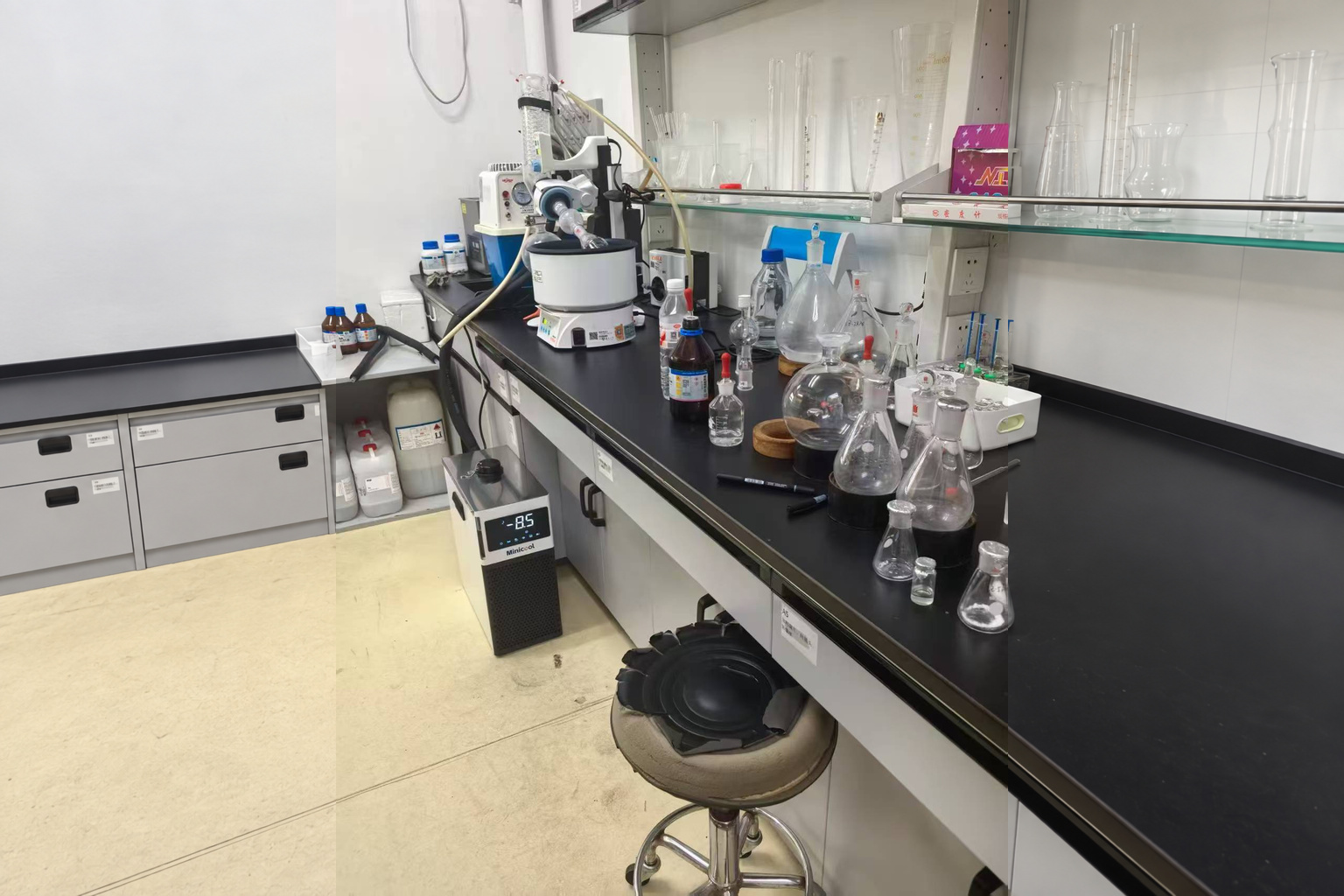
Identify the Installed MiniCool Connection
The MiniCool countertop recirculating lab chiller is published for −40 to 0°C operation, with quick-connect or threaded connection options. Those options do not specify which coupling series, shutoff arrangement, or residual-pressure capability is present on a particular delivered unit.
Record the actual machine and connector markings. Determine whether the coupling belongs to the chiller, an external hose set, or the connected instrument. A replacement hose can introduce a different connector even if the machine itself has not changed. Keep photographs of both halves and their labels with the service request.
MiniCool’s temperature range also does not certify every accessory for that range. The seals, hose assembly, connector mechanism, and coolant require their own compatibility review. Before assigning the problem to cold operation or residual pressure, establish the exact parts and their permitted conditions.
Distinguish Shutoff Valves From an Open Passage
Some quick disconnects close one side when separated; others close both sides, and non-valved versions have different behavior. A shutoff feature reduces fluid loss from a disconnected section but can also leave a volume of liquid isolated. That trapped section may include the hose and external equipment, not merely the small space inside the connector.
Draw each isolated liquid volume before diagnosing quick disconnect reconnection. Mark the coupling valves, nearby isolation valves, reservoir, external equipment, and any approved pressure-relief or drain provision. The drawing should show what remains connected after each service step.
A reservoir can be at its normal condition while an isolated hose retains a different pressure. A gauge on the machine may be separated from that hose by a closed valve. Do not treat one convenient reading as proof of pressure throughout every disconnected part of the system.
Understand Why a Disconnected Section Can Retain Pressure
Pressure can remain from operation if the disconnection sequence isolates liquid before it reaches the required state. Temperature changes can also increase pressure in a confined liquid volume. The resulting behavior depends on the fluid, available expansion space, hose compliance, and the complete boundary; there is no universal pressure-rise figure to apply here.
A cold hose left in a warmer environment can therefore present a different reconnection condition from the one observed immediately after separation. Record the coolant condition when disconnected and the storage environment afterward. Do not deliberately heat a trapped section to investigate or improve connection behavior.
Quick disconnect reconnection needs a defined service state, not simply a waiting period. Cooling a hose back down or leaving it overnight does not certify that residual pressure has reached an acceptable value. Use the approved procedure and verification method for the actual connector and circuit.
Check the Mating Pair, Not Just the Nominal Size
Similar appearance is not evidence of coupling interchangeability. Identify the body and insert by the information the manufacturer requires. Nominal hose size, color, or a familiar-looking sleeve may not distinguish connector families, seal variants, keyed versions, or different valve arrangements.
Review what changed since the last successful connection. The hose may have been swapped, an insert replaced, or a fitting transferred from another instrument. If the two halves were supplied separately, request confirmation that the exact combination is approved. Do not use a partly engaged connector as a temporary solution.
Inspect the accessible surfaces only as the manufacturer permits. Dirt or damage should be handled with the prescribed cleaning or replacement method. Do not add an unapproved lubricant, file a mating surface, or remove a seal to reduce insertion force. Such changes can introduce a different failure after the connector appears to fit.
Treat Cold-Related Sticking as a Separate Branch
Subzero coolant can create conditions in which moisture freezes around exposed connector features. That possibility does not prove that ice is the obstruction, and it does not remove the need to consider trapped pressure. Record visible frost, the location of any ice, and whether the mechanism remains inaccessible for inspection.
Follow the equipment and coupling instructions for bringing the assembly to a serviceable state. Do not apply direct heat or use tools to chip around seals and moving parts. A temperature change in an isolated liquid section also changes the pressure question, so temperature recovery and pressure verification must be considered together.
If an approved recovery procedure restores normal movement, inspect and reconnect according to the specified method. A sleeve that moves freely is only one observation. It does not establish that internal valves, seals, or the mating combination are suitable for return to service.
Map the Approved Pressure-Release Path
Quick disconnect reconnection should have an equipment-specific sequence that identifies which section is isolated, how residual pressure is managed, and how the acceptable state is verified. Ask the coupling or system supplier for that sequence if it is absent from the service instructions.
An approved pressure-release path is a designed service provision. It is not an instruction to loosen a hose clamp, crack a threaded joint, depress a valve with a tool, or strike the connector. Those actions substitute uncontrolled fluid release for the specified service method.
Keep containment and fluid handling in the same procedure. If the approved method removes liquid, record where it goes, whether it may be reused, and how the system is restored afterward. The operator should not have to improvise those decisions while handling a disconnected cold hose.
The reservoir level and temperature-change guide provides background on why coolant volume changes matter. A vented reservoir’s behavior is different from a section sealed behind coupling valves. Do not use a normal reservoir level as evidence that an isolated hose has no trapped pressure.
Use a Reconnection Release Record
The following record makes the authorization concrete. Complete it before returning a problematic connection to use, especially when several people share the equipment or a supplier is guiding the service remotely. An unanswered question remains open rather than becoming an assumed pass.
| Release item | What to document | What prevents release |
|---|---|---|
| Part identity | Exact mating pair and applicable instructions | Unknown series or unconfirmed interchangeability |
| Isolated sections | Circuit drawing and relevant valve states | A trapped section with no understood service path |
| Pressure and temperature state | Approved procedure completed and verification recorded | Reliance only on pump-off status or elapsed time |
| Mechanical condition | Permitted inspection and any replacement performed | Damage, unresolved debris, or abnormal latch action |
| Connection confirmation | Manufacturer’s engagement and retention checks | Partial engagement or an improvised force-assisted fit |
| Return to service | Leak inspection and circulation check under the approved sequence | Leakage, abnormal flow, or an unresolved operating symptom |
Add the responsible person and the instruction revision used. This is particularly useful if the problem is intermittent: the next investigation can compare actual pressure, temperature, and handling conditions rather than relying on a recollection that the connector was “tight.”
Verify Engagement and Cooling After Reconnection
A connection that looks joined is not necessarily fully engaged. Follow the manufacturer’s positive engagement and retention checks. Do not substitute a familiar click or a visual guess for the required confirmation. The appropriate check depends on the connector mechanism.
Restore operation using the equipment’s approved sequence, with any required filling or air-removal procedure. Check the joint for leakage by the permitted method and verify circulation and process behavior. A coupled valve that has not opened correctly can create a restriction even when no liquid is visibly escaping.
Do not immediately commit a sensitive experiment simply because the connection now fits. Confirm the relevant cooling state first, using the measurements the installation normally requires. If the problem returns, preserve the observations and revisit the unresolved mechanism rather than normalizing greater insertion force as routine maintenance.
Keep any removed component identified until the service decision is complete. A photograph of its orientation and markings can help the supplier distinguish a sealing problem from an incorrect replacement. Record whether the same pair was reused or a component changed, so a successful restart is not wrongly attributed to pressure release when the repair actually corrected a damaged part.
Prevent Recurrence Through the Service Design
Where quick disconnect reconnection repeatedly fails after otherwise normal use, review the service sequence and isolated volumes with the equipment supplier. The solution may involve a revised approved procedure or a different specified connection arrangement. It should address the actual trapped-pressure or mechanical condition.
Connect-under-pressure capability is a specific design feature with defined conditions, not a synonym for quick disconnect, dry break, or non-spill. Do not assume that the installed MiniCool option includes it. Any proposed replacement must also satisfy temperature, coolant, flow, seal, and mating requirements for the entire installation.
For a MiniCool connection review, send the coupling identification, circuit sketch, and failed-reconnection record to RIGID engineering. Include the state at disconnection, storage conditions, and the exact point at which normal engagement stops.
Frequently Asked Questions
Why can quick disconnect reconnection fail after the chiller is off?
A closed valve can isolate liquid and retain pressure after the pump stops. Temperature changes may alter that pressure. Other causes include mismatched parts, damage, contamination, or ice, so follow the identified connector’s service procedure.
Can I push harder to open the valves?
Do not force a connection under an unknown condition. Establish the correct mating pair and complete the approved pressure and temperature procedure. Abnormal resistance should trigger inspection or supplier review rather than greater force.
Does a dry-break connector connect under pressure?
Not automatically. Spill-control behavior and connection under residual pressure are different capabilities. Check the exact coupling specification and its permitted conditions rather than inferring one feature from the other.
Does a normal reservoir level prove the hose is depressurized?
No. A shutoff coupling or another valve can separate the hose from the reservoir. The isolated section requires the pressure-state verification specified for its own service arrangement.
What information helps the supplier diagnose the problem?
Provide both coupling part identities, the circuit and valve arrangement, coolant, temperature history, disconnection sequence, and a description of the failed engagement. Include photographs and any approved pressure-state measurements.