
What Makes a Small Compressor Fridge Different From a Cooler
If you have ever tried keeping food cold during a summer road trip with a cheap thermoelectric cooler, you already know the frustration. The drinks stay lukewarm, the ice melts within hours, and anything perishable becomes a gamble. A small compressor fridge solves all of that by using the same vapor-compression cycle found in your kitchen refrigerator — just shrunk down into a portable, DC-powered package.
Unlike Peltier-based coolers that rely on a thermoelectric chip to move heat, compressor fridges use a mechanical compressor to circulate refrigerant through an evaporator and condenser loop. This difference is not just technical — it directly affects how cold your fridge can get, how much energy it consumes, and how reliably it performs when the ambient temperature climbs above 30°C (86°F).
A well-designed small compressor fridge can reach –18°C (0°F) or lower, making it capable of true freezing. Peltier coolers, on the other hand, can typically cool only 15–25°C below ambient temperature. On a hot day, that means your Peltier cooler might struggle to keep contents below 15°C — far from safe food storage temperatures. For anyone who depends on reliable cooling away from home, the compressor-driven fridge is the only serious option.
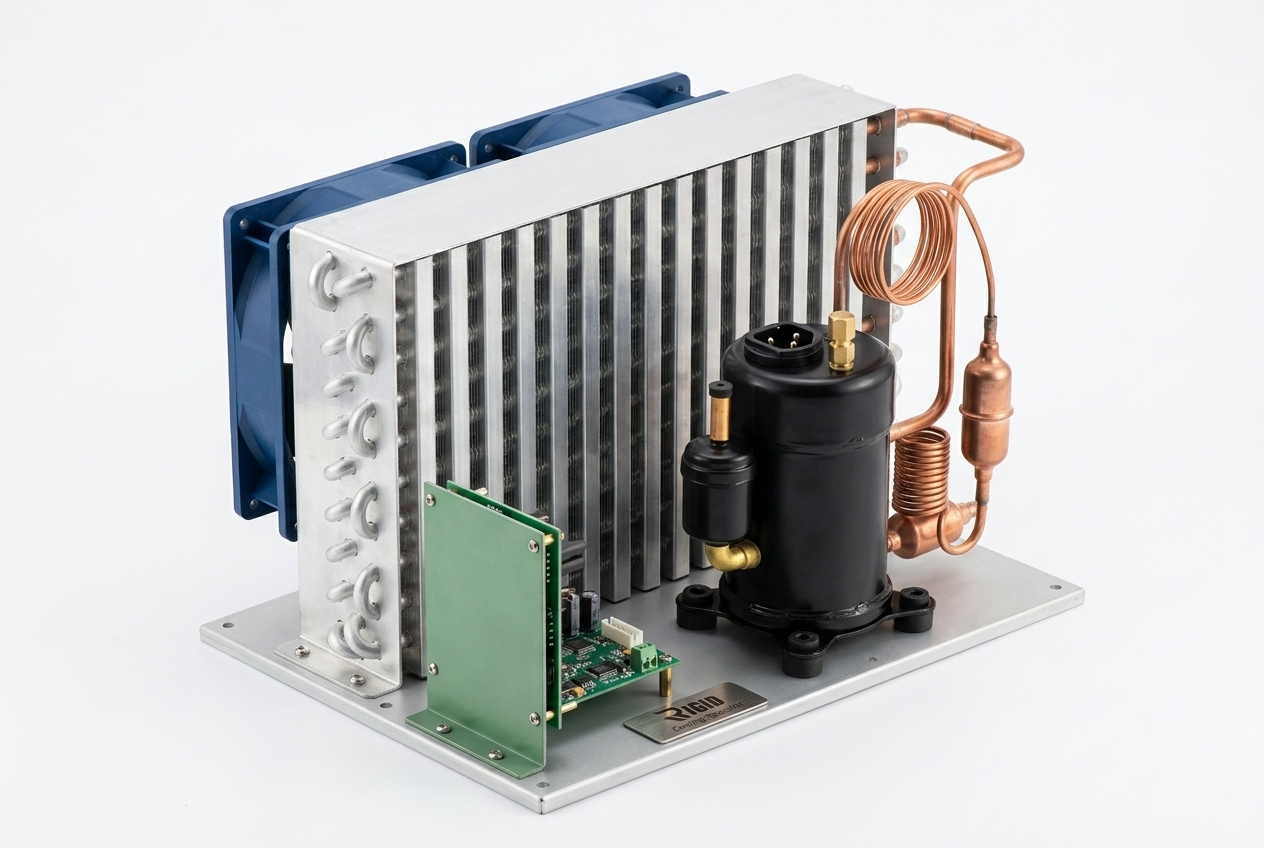
Compressor vs. Peltier: Why the Core Technology Matters
The heart of every portable fridge is its cooling mechanism. Understanding why compressor technology consistently outperforms Peltier in portable applications helps you make a smarter purchase decision.
Energy efficiency is the first major advantage. A compressor fridge draws significantly less power for the same cooling output. Once the interior reaches the set temperature, the compressor cycles off and only kicks back on to maintain it. A Peltier module runs continuously at full draw, wasting energy as heat through its hot side. For anyone running off a 12V vehicle battery or a solar setup, this efficiency gap is critical. Over a typical camping weekend, a compressor fridge may consume 30–50% less total energy than a Peltier cooler attempting to maintain the same interior temperature.
Cooling depth is the second decisive factor. Compressor fridges achieve genuine refrigeration and freezing temperatures regardless of outside conditions. Whether you are parked in Arizona summer heat or a mild coastal evening, the compressor maintains your set point. Peltier performance degrades as ambient temperature rises — exactly when you need cooling the most. This is not a minor inconvenience; it is a fundamental limitation of thermoelectric physics.
Durability under load rounds out the comparison. Modern BLDC (brushless DC) compressors used in quality portable fridges are engineered for continuous operation. They handle vibration from rough roads, voltage fluctuations from vehicle electrical systems, and temperature swings without losing performance. While Peltier modules have no moving parts — which sounds like an advantage — they actually degrade faster under thermal stress and have shorter effective lifespans in demanding environments.
The trade-off is that compressor fridges cost more upfront. But for anyone serious about off-grid cooling — overlanders, RV dwellers, boat owners, or long-haul truck drivers — the compressor fridge pays for itself in reliability and lower running costs within the first season of use.
Key Specs to Check Before You Buy
Not all small compressor fridges are created equal. The compressor inside is the single most important component, and its specifications determine the fridge’s real-world performance. Here is what to evaluate before spending your money:
Cooling capacity (measured in watts or BTU). This tells you how much heat the compressor can remove per unit of time. For a typical 30–50 liter portable fridge, a compressor rated between 50W and 150W of cooling capacity is common. Larger units or dual-zone fridges may use compressors rated up to 500W or more. Match the cooling capacity to the fridge volume and your expected ambient conditions. If you camp in hot climates, err on the side of more cooling capacity — an oversized compressor will cycle less frequently and use less energy than an undersized one running constantly.
Voltage compatibility. Most portable fridges run on 12V DC to plug directly into a vehicle cigarette lighter or auxiliary power socket. Some models accept 24V DC (common in commercial trucks and boats) or can switch between 12V and 24V automatically. If you plan to use shore power or a generator, check whether the fridge includes an AC adapter or if one must be purchased separately. Dual-voltage capability (12V/24V DC plus 110V/220V AC) gives you maximum flexibility across different power sources.
Refrigerant type is another detail worth checking. The refrigerant affects cooling efficiency, environmental impact, and regulatory compliance depending on where you travel. R134a remains the most widely used refrigerant in portable fridge compressors and is a proven, reliable choice. R600a (isobutane) and R290 (propane) are natural refrigerants with lower global warming potential and are increasingly preferred in newer designs. All three work well in small-format compressors, so this is less about performance and more about environmental preference and regional availability of service.
Compressor motor type matters more than many buyers realize. Look for BLDC (brushless DC) inverter compressors. These offer variable-speed operation — the compressor adjusts its RPM based on cooling demand rather than cycling between full power and off. The result is quieter operation, smoother temperature control, and lower power draw. Fixed-speed compressors are older technology and less common in quality portable fridges today, but they still appear in budget models. The noise difference alone makes BLDC worth the premium.
Physical size and weight of the compressor also deserve attention. In a portable fridge, every gram and cubic centimeter counts. The smallest mini compressors for this application weigh under 1 kg and have footprints smaller than a soda can. This compact size allows fridge manufacturers to maximize interior storage volume while keeping the overall unit light enough to carry.
Where a Small Compressor Fridge Excels
The portable compressor fridge has moved far beyond a niche product for hardcore overlanders. Here are the scenarios where it truly makes a difference:
Vehicle camping and overlanding. Whether you drive a converted van, a 4×4 with a canopy, or a classic station wagon, a 12V compressor fridge plugged into your vehicle battery gives you genuine refrigeration without ice, without mess, and without daily runs to the gas station for fresh supplies. Many modern units include low-voltage cutoff protection so they will not drain your starter battery. You can leave the fridge running overnight and wake up to cold water and fresh food ready for the trail.
RV and motorhome use is another area where compressor fridges shine. Full-size RV absorption fridges are notorious for being slow to cool, sensitive to leveling, and inefficient on battery power. Many RV owners are replacing them — or supplementing them — with compact compressor fridges that cool faster, run on 12V DC directly from the house battery bank, and work regardless of whether the rig is parked level. For weekend RV warriors and full-timers alike, this upgrade often pays for itself through reduced propane usage alone.
Marine and boating environments present unique challenges that compressor fridges handle well. Boats deal with constant vibration, salt air, humidity, and limited battery capacity. Compressor fridges with corrosion-resistant components and low-power BLDC compressors manage these conditions far more reliably than absorption or thermoelectric alternatives.
Long-haul trucking is a growing market for small compressor fridges. Drivers who spend days or weeks on the road rely on 12V or 24V compressor fridges in their cab to store fresh food, beverages, and medication that requires temperature control. The energy efficiency of a modern compressor fridge means it can run off the truck’s electrical system without significantly impacting fuel consumption during idle periods.
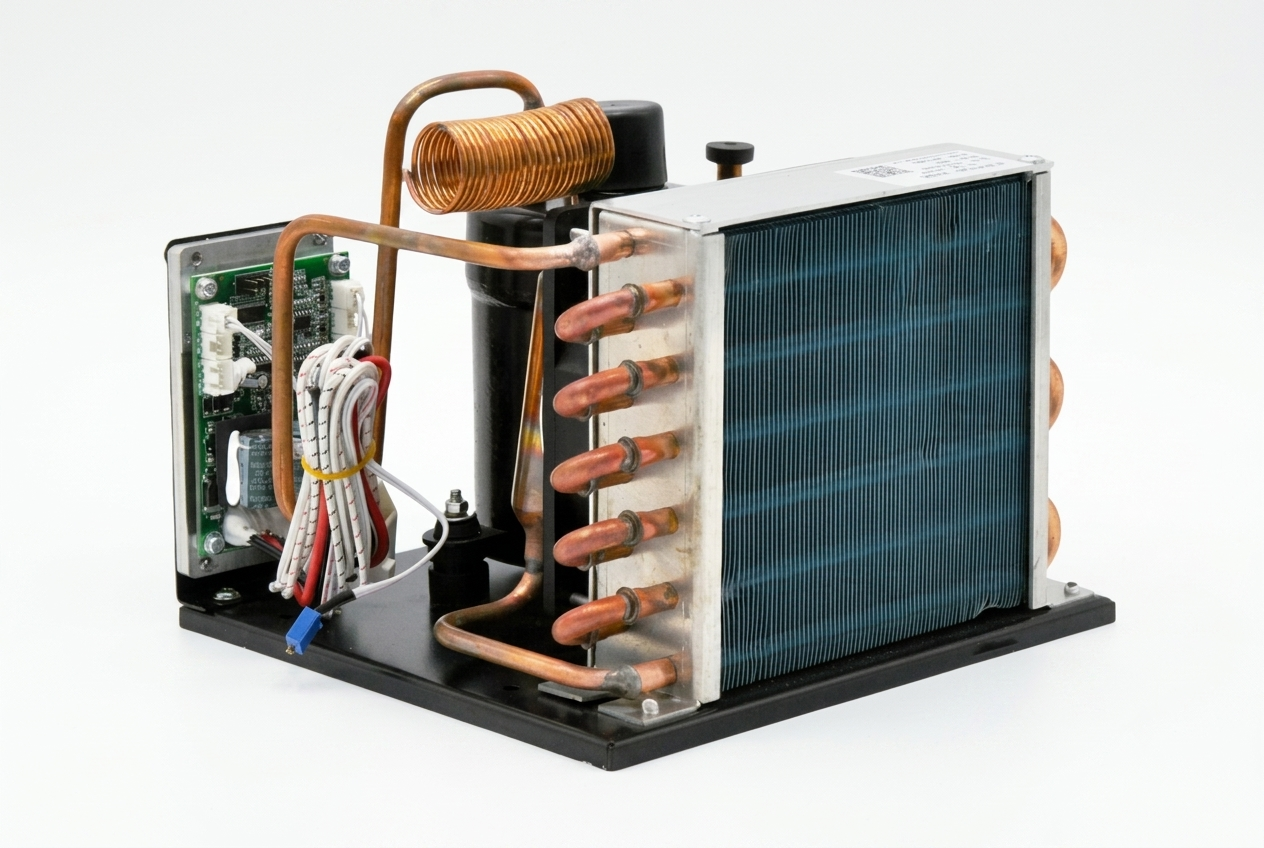
DIY and custom projects represent perhaps the most exciting application. If you are building a custom cooling box — for a teardrop trailer, a photography gear case, a medical transport container, or an off-grid cabin — you can purchase a standalone miniature compressor and build your own system from scratch. RIGID 12V BLDC mini compressors are specifically designed for this kind of integration, offering cooling capacities from 50W up to 500W+ in packages that weigh as little as 720 grams. With support for R134a, R290, and R600a refrigerants and voltages spanning 12V to 48V DC, these compressors give builders the flexibility to design systems tailored to exact requirements.
What to Look for in the Compressor Itself
Whether you are buying a complete fridge or sourcing a compressor for a DIY build, the compressor is the component that determines longevity and performance. Here is what separates a quality unit from a cheap one:
A sine wave variable-speed drive board allows the compressor to run at precisely the speed needed for current conditions, reducing wear, noise, and energy waste. Look for units with integrated driver boards that include automatic dual-protection against overcurrent and overheating. This protection is especially important in vehicle installations where power quality can be unpredictable.
Refrigerant flexibility across a compressor platform (supporting R134a, R290, and R600a) gives manufacturers and DIY builders more design freedom. It also future-proofs the system against changing refrigerant regulations in different markets around the world.
Operating temperature range is a specification many buyers overlook. Quality mini compressors are rated for ambient temperatures up to 55°C or higher. If you use your fridge in hot climates — desert camping, tropical boating, or logistics operations in the Middle East — verify that the compressor is explicitly rated for extreme heat operation. A compressor that works fine at 25°C ambient may struggle or shut down protectively at 45°C.
Low startup current is critical in battery-powered systems. A compressor that spikes current on startup can trip protection circuits or damage sensitive electronics sharing the same power bus. BLDC compressors with soft-start capability minimize this risk by gradually ramping up to operating speed rather than demanding full power instantly.
Sizing Your Fridge: Matching Capacity to Use Case
Choosing the right size is a balance between storage needs and portability. Here is a practical breakdown based on real-world usage patterns:
In the 15–25 liter range, you will find units ideal for solo travelers or couples on weekend trips. These compact fridges fit in most vehicle footwells or rear cargo areas and hold enough for drinks, snacks, and a day or two of fresh food. A compressor in the 50–80W cooling capacity range handles this volume efficiently with minimal power draw.
The 30–50 liter range is the sweet spot for most overlanders and RV users. This size provides enough room for roughly a week of groceries for two people when packed thoughtfully. Compressors in the 100–200W range keep these fridges at target temperature even in hot conditions. Many models in this range offer dual-zone capability — separate fridge and freezer compartments with independent temperature control — which is a significant convenience upgrade.
Units in the 60–100 liter range serve families, extended trips, or permanent RV and marine installations. These larger fridges typically use more powerful compressors and may require dedicated battery systems or shore power connections. They sacrifice portability for genuine household-level food storage capacity on the road.
Maintenance Tips to Extend Compressor Life
A compressor fridge requires minimal maintenance compared to ice chests or absorption fridges, but a few simple habits will keep it running for years:
Keep the condenser area clear. The condenser fins or coils — usually located on the back or underside of the unit — need airflow to dissipate heat effectively. Do not push the fridge flush against a wall or pile gear on the ventilation openings. Even two inches of clearance makes a measurable difference in cooling efficiency and compressor longevity.
Pre-cool before loading. Running the fridge empty for 30–60 minutes before loading it with room-temperature food reduces the compressor’s workload significantly and speeds up the cooling process. Whenever possible, load items that are already cold from your home refrigerator rather than room-temperature groceries.
Monitor voltage consistently. If you are running the fridge from a vehicle battery, use a battery monitor to ensure voltage stays above 11.5V for 12V systems. Most quality compressor fridges have built-in low-voltage protection, but consistently running near the cutoff threshold shortens both battery and compressor life over time.
Clean the interior regularly. Spills and condensation can lead to odors and bacterial growth if left unattended. Wipe down the interior with a mild cleaning solution every few weeks during active use, and leave the lid slightly open during storage to prevent mold growth in the sealed compartment.
Making the Right Choice
When shopping for a small compressor fridge, resist the temptation to compare only on price and liter capacity. The compressor is the engine of the entire system — its quality determines whether your fridge will still be performing flawlessly five years from now or struggling to hold temperature after one summer. Prioritize BLDC variable-speed compressors, verify the cooling capacity against your actual needs and climate conditions, and choose a fridge built around a compressor designed specifically for DC-powered portable applications. That single decision shapes every trip, every meal, and every cold drink you enjoy off the grid.